


Niobium (UNS R03000 / R03100)
Niobium is a rare, soft, and ductile refractory metal that belongs to the same group as Tantalum. While it shares many of Tantalum's extreme corrosion-resistant properties, it is significantly lighter, with a density roughly half that of its counterpart. Niobium is defined by its high melting point (2,468°C) and its unique ability to remain superconducting at cryogenic temperatures, making it a cornerstone of modern medical and scientific technology.
At Aries Alloys, we specialize in providing Niobium and its alloys (such as Nb-1Zr) for high-tech sectors that require a balance of thermal stability and ease of fabrication. From MRI scanners to jet engine components, Niobium is the material of choice for high-consequence engineering.
Key Performance Benefits
- Superior Ductility: Unlike many other refractory metals, Niobium is highly workable and can be easily formed, bent, and drawn into wire at room temperature.
- Refractory Strength: Maintains high mechanical strength and structural integrity at temperatures exceeding 2200°F (1200°C).
- Corrosion Resistance: Highly resistant to many organic and inorganic acids (including nitric, hydrochloric, and sulfuric acids) at temperatures below 100°C.
- Superconductivity: Possesses the highest critical temperature of the elemental superconductors, essential for high-field magnets.
- Low Thermal Neutron Cross-Section: Makes it a vital material for cladding and structural parts in nuclear reactors.
Technical Profile & Composition
The Lightweight Refractory:
Niobium’s density (8.57 g/cm^3) is comparable to copper, yet it offers heat resistance that rivals Tungsten and Molybdenum. While pure Niobium is used for its chemical and electronic properties, alloying it with Zirconium (Nb-1Zr) significantly enhances its creep resistance and high-temperature strength.
Mechanical & Physical Data:
- Melting Point: 4474°F (2468°C)
- Density: 8.57 g/cm^3
- Thermal Expansion: 7.3 μm/m·K
- Atomic Number: 41
Primary Industrial Use Cases
Aries Alloys sources Niobium for cutting-edge industrial applications:
- Medical Imaging: Niobium-Titanium (NbTi) and Niobium-Tin (Nb₃Sn) wires are the primary components in the superconducting magnets of MRI machines.
- Aerospace & Defense: Jet engine components, rocket nozzles (like those on the Apollo Lunar Module), and gas turbine parts exposed to extreme heat.
- Nuclear Power: Cladding for fuel elements and structural components in experimental fusion reactors.
- Chemical Processing: Thermowells, heat exchangers, and vessel linings for handling specialized acid mixtures.
- Scientific Research: Superconducting radio-frequency (SRF) cavities for particle accelerators (like the Large Hadron Collider).
Product Availability at Aries Alloys
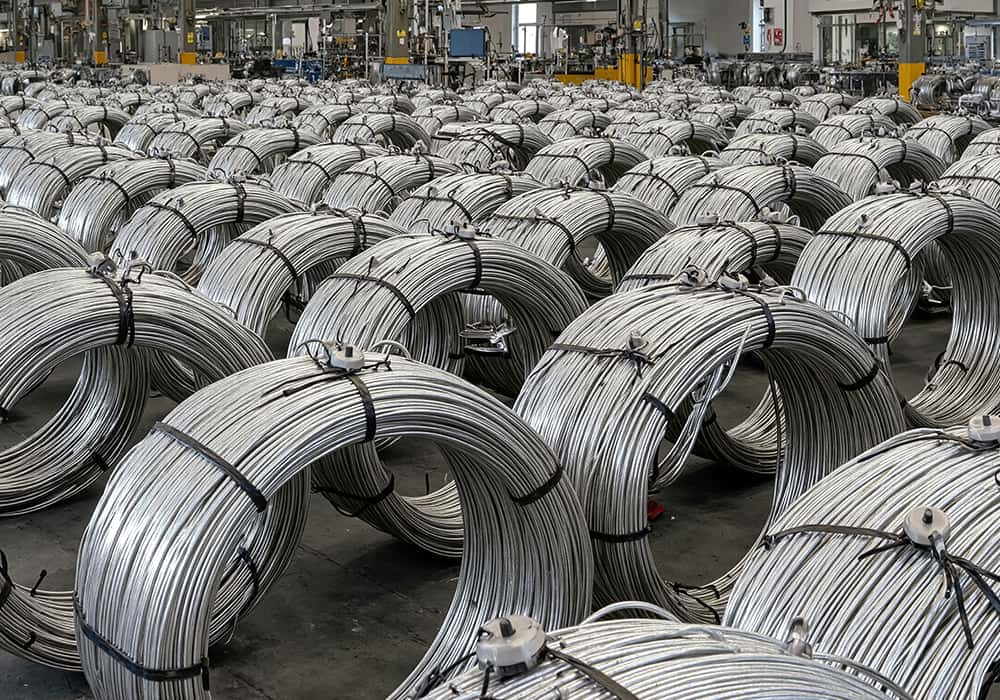
- Wire & Rod: Precision-drawn wire for superconducting cables and rods for aerospace fasteners.
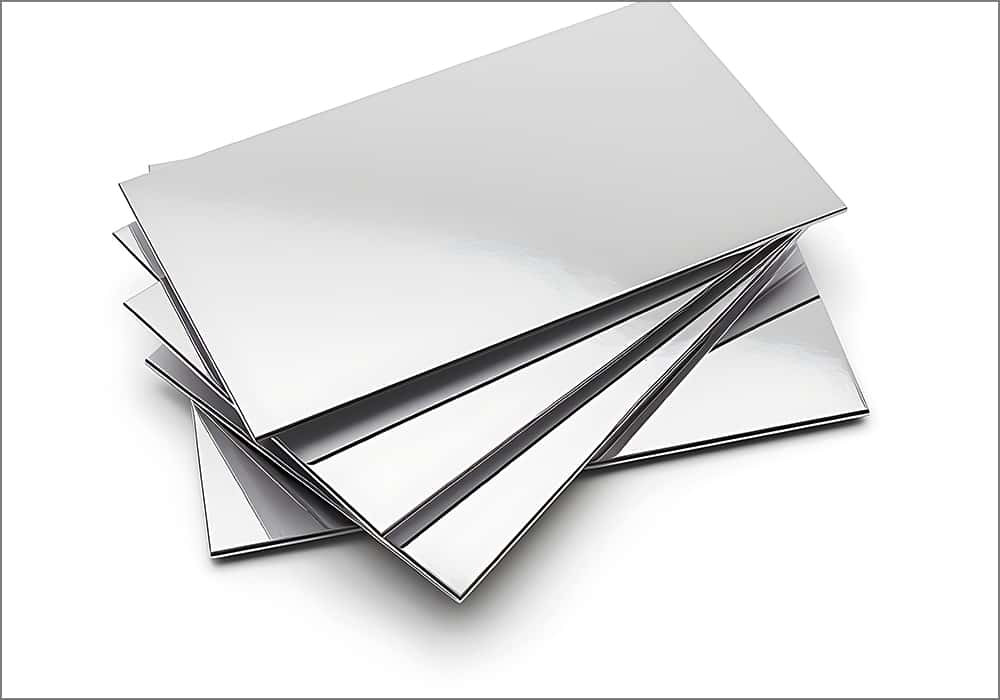
- Sheet & Foil: Thin-gauge products for corrosion-resistant linings and electronic components.
- Ingots & Slabs: For further processing and custom forging.
- Nb-1Zr Alloy: Specialized grade for high-temperature nuclear and space power applications.
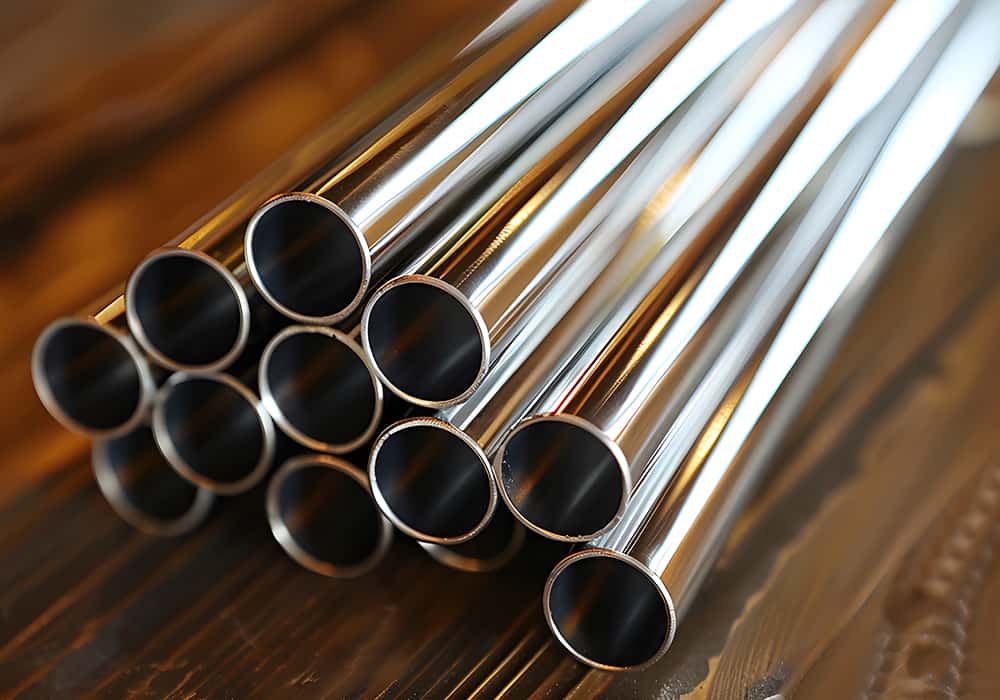
- Tubing: Seamless tubes for heat exchangers in chemical process environments.