Hastelloy® B-2 & B-3 (UNS N10665 & N10675)
The Hastelloy® B-series represents a specialized class of nickel-molybdenum alloys designed with one primary objective: total resistance to reducing environments, particularly Hydrochloric Acid (HCl). Unlike the C-series, which contains chromium for oxidizing resistance, the B-series focuses almost exclusively on nickel and molybdenum to provide a formidable defense against acid concentrations and temperatures that would destroy most other metals.
At Aries Alloys, we provide both the classic B-2 and the advanced B-3 grades. While B-2 remains a staple for many established processes, B-3 offers a significant leap in metallurgical stability, making it easier to fabricate and less prone to embrittlement during processing.
Comparative Performance Highlights
| Feature | Hastelloy® B-2 | Hastelloy® B-3 |
| HCl Resistance | Excellent at all concentrations and temperatures. | Same elite resistance as B-2. |
| Thermal Stability | Susceptible to embrittlement if held at mid-range temperatures. | Superior. Resistant to the formation of brittle phases during heating. |
| Fabrication | Requires careful heat control during welding and forming. | Significantly easier to weld, form, and machine. |
| Stress Corrosion | Immune to chloride-induced stress corrosion cracking. | Immune to chloride-induced stress corrosion cracking. |
Key Technical Attributes
- Hydrochloric Acid Specialist: Provides a unique defense against HCl at all concentrations and temperatures—from ambient to boiling.
- Reducing Environment Defense: Exceptional resistance to pure sulfuric acid, phosphoric acid, and organic acids like acetic and formic acid.
- Resistance to Pitting: High molybdenum levels ensure the alloy stays passive against localized pitting and stress-corrosion cracking.
- Low Carbon Advantage: Both grades utilize low carbon levels to prevent carbide precipitation at the weld zones.
- Important Note: These alloys are not recommended for use in the presence of oxidizing salts (ferric or cupric) or wet chlorine, as the lack of chromium leads to rapid failure in those specific environments.
Material Science: The B-3 Evolution
Thermal Stability:
The primary challenge with the older B-2 alloy was its tendency to form brittle intermetallic phases when exposed to temperatures between 1000° F and 1500° F. Hastelloy B-3 was engineered with a slightly modified chemistry that slows the formation of these phases, allowing for greater flexibility during welding and heat treatment without risking the structural integrity of the component.
Mechanical Properties:
- Density: 9.22 g/cm3 (B-3)
- High Ductility: Excellent for deep drawing and complex forming.
- Tensile Strength: Maintains high strength and toughness in reducing atmospheres.
Primary Industrial Use Cases
Aries Alloys supplies the B-series for the most aggressive reducing-chemical processes:
- Chemical Production: Equipment used for the manufacturing of herbicides, insecticides, and pharmaceuticals involving HCl.
- Acid Recovery Systems: Components for the regeneration of spent acids in industrial plants.
- Petrochemical: Catalytic alkylation processes and hydrocarbon cracking units.
- Steel Processing: Pickling tanks and heating elements used in acid-cleaning lines.
Available Product Forms at Aries Alloys
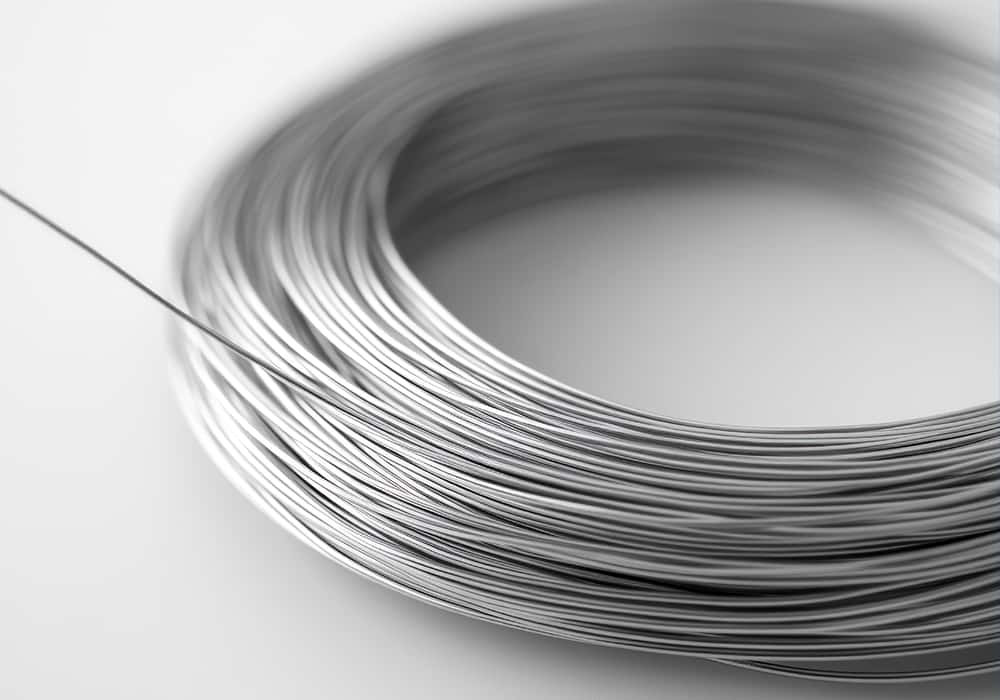
We stock and supply B-2 and B-3 in accordance with ASTM B333, B335, and B622:
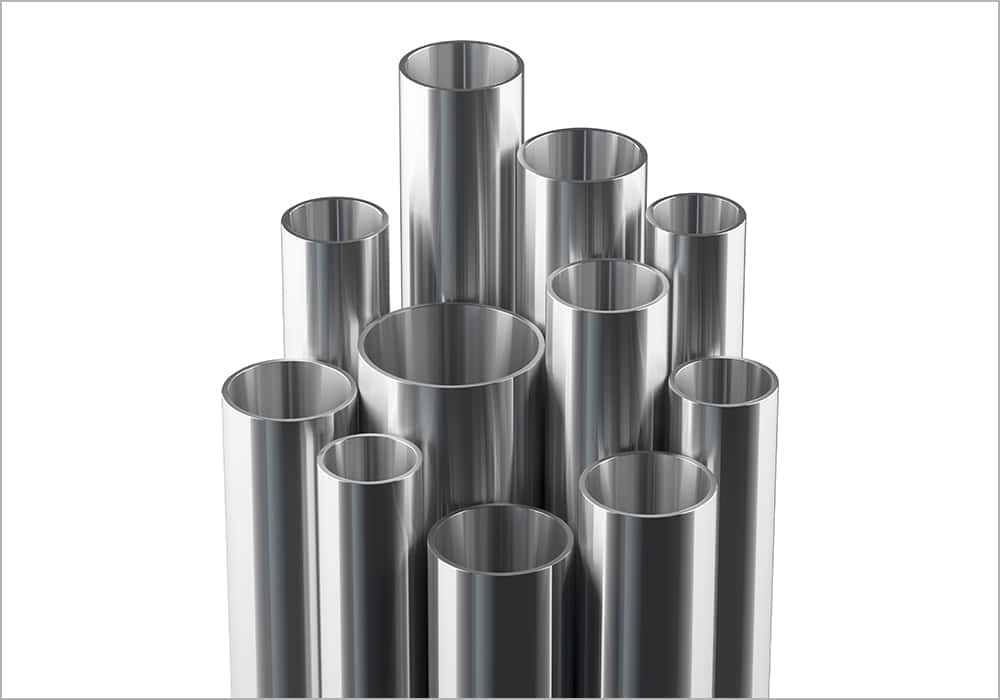
- Seamless Piping: Essential for high-pressure hydrochloric acid transport.
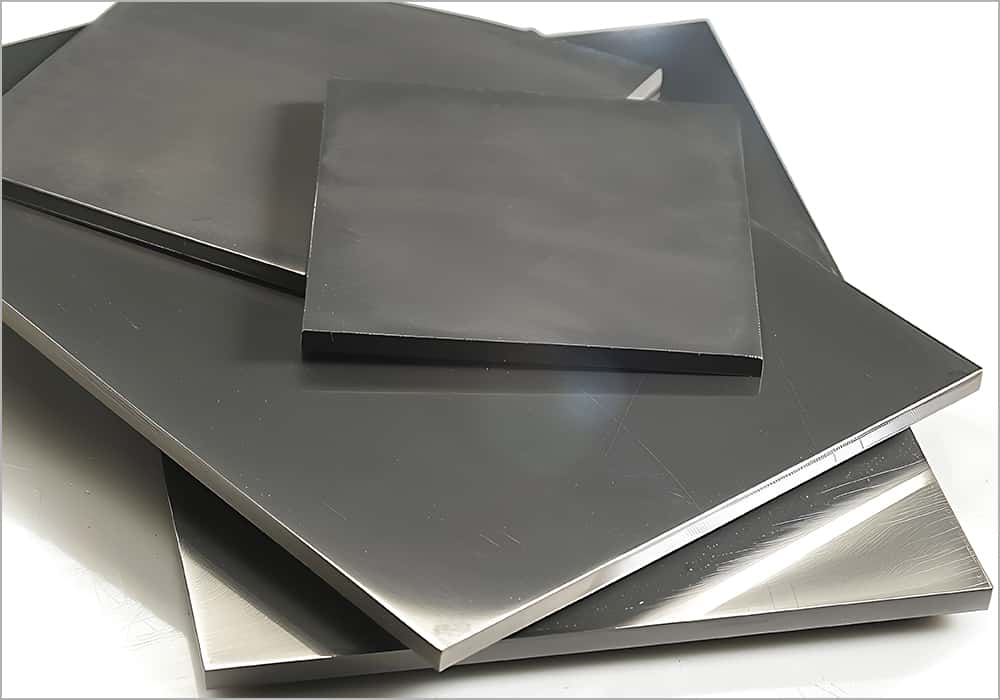
- Sheets & Plates: For the fabrication and lining of reaction vessels and storage tanks.
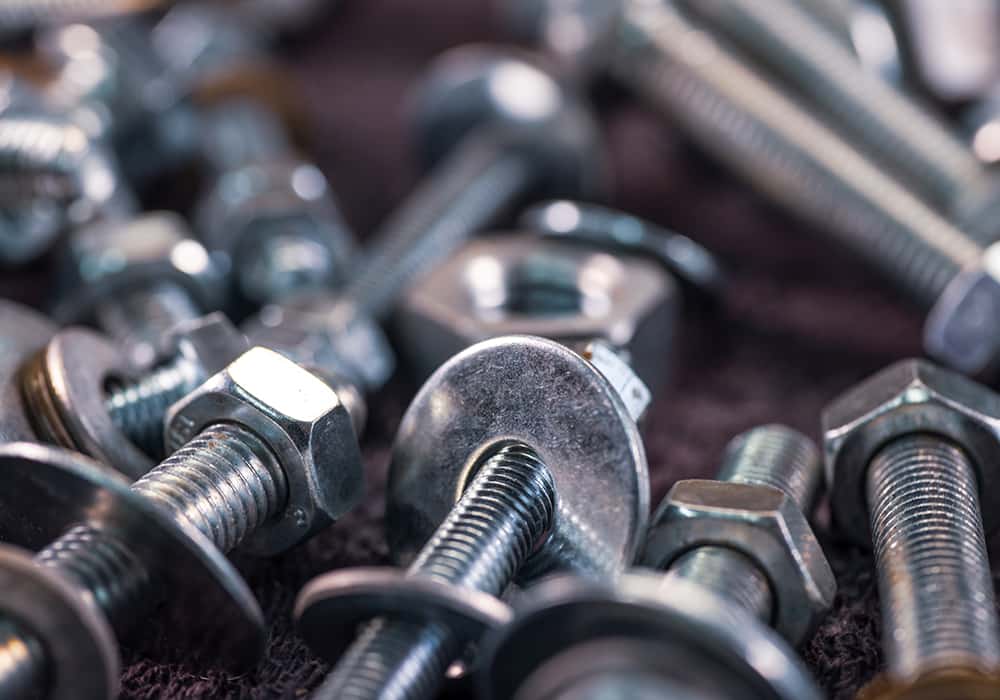
- Round & Hex Bars: High-strength rods for machining acid-resistant bolts and pump shafts.
- Forged Fittings: Custom flanges and elbows designed for leak-proof, high-acid connectivity.